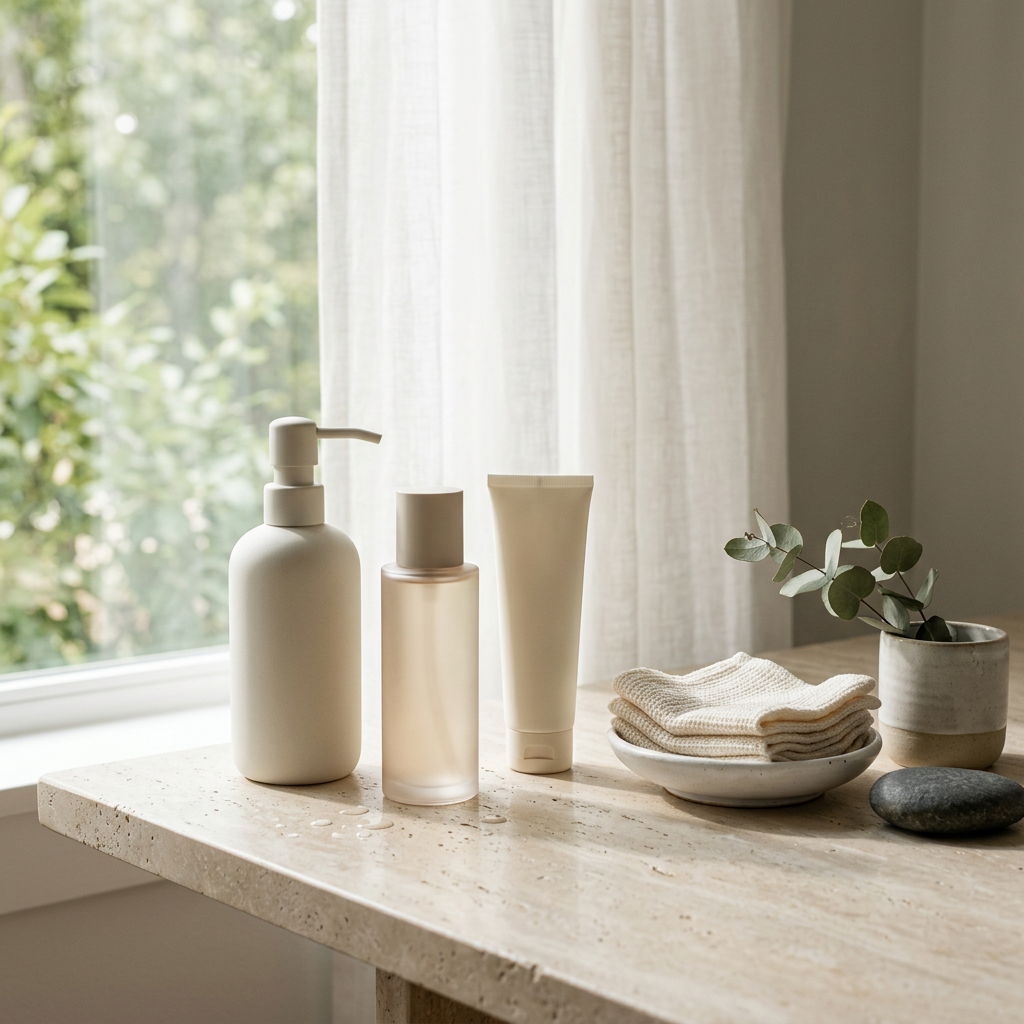
Dry, sensitive skin stings, tightens, or turns red easily. The wrong face wash can make all of that worse in one wash. That is why learning how to choose a gentle cleanser for dry sensitive skin is the fastest way to calm your skin down.
This guide is written for beginners. No science degree needed. You will get simple steps, a short list of ingredients to look for, and clear things to avoid.
Before you start, gather a few simple tools. You need lukewarm water, your fingertips, a soft clean towel, and one new cleanser at a time. You also need a notebook or phone note to track how your skin reacts. Do not buy five products at once. One change at a time is the rule.
Quick Picks – Gentle Cleansers for Dry Sensitive Skin
Below are cleanser styles that fit dry, reactive skin. These are formats and examples named in the sources, not test results from a lab we ran.
| Need | What to Look For | Example Style |
|---|---|---|
| Best overall | Non-foaming cream with ceramides and hyaluronic acid | Fragrance-free hydrating cream cleanser |
| Best budget | Large drugstore bottle, fragrance-free, no sulfates | Simple lotion or cream cleanser |
| Very reactive skin | Fragrance-, dye-, and sulfate-free emulsion | Minimal-ingredient cleansing emulsion |
Best Overall Gentle Cleanser for Dry Sensitive Skin
Choose a creamy, non-foaming cleanser with ceramides, niacinamide, hyaluronic acid, and glycerin. Dermatologists say these ingredients support the skin barrier and help hold water in the skin (Dermstore). A product like CeraVe Hydrating Facial Cleanser fits this pattern: it is non-foaming and built around ceramides and hyaluronic acid (WinonaBeauty). A gentle cleanser for dry sensitive skin should feel like lotion, not soap.
Best Budget Gentle Cleanser for Dry Sensitive Skin
You do not need to spend a lot. Dermatologists simply say to pick a product labeled “fragrance-free” (AAD). Big drugstore bottles of cream cleanser often cost less per ounce and use the same mild ingredients. Look for no sodium lauryl sulfate, because it can irritate skin and make dryness worse (Mayo Clinic).
Best Gentle Cleanser for Very Reactive Skin
If your skin burns or stings with most products, go minimal. The safest pick for reactive skin is a formula that is fragrance-free, dye-free, and sulfate-free (ZO Skin Health). Fewer ingredients mean fewer chances of a reaction.
Why Choosing the Right Gentle Cleanser for Dry Sensitive Skin Matters
Your face wash touches your skin twice a day. That adds up. A harsh wash can undo weeks of good moisturizing.
How a Compromised Skin Barrier Causes Dryness and Sensitivity
Your outer skin layer works like a brick wall. Lipids hold the bricks together. When that wall weakens, water escapes and irritants get in. Dermatologists define sensitive skin as skin that reacts to irritants or allergens more easily than average, and a compromised barrier is one common cause (PMC3088928). Dry skin is damaged skin, so it needs gentle handling (AAD).
What Harsh Cleansers Do to Dry Sensitive Skin
Harsh soaps strip oils and proteins from the outer layer. They can also push skin pH upward. Mildness comes from an acidic-to-neutral pH and from surfactants that do not strip moisture or skin lipids (PMC3168246). Strong surfactants such as sodium lauryl sulfate can irritate skin and worsen dryness (Mayo Clinic).
Benefits of a Gentle Cleanser for Dry Sensitive Skin
A gentle cleanser for dry sensitive skin removes dirt without stealing moisture. In one review, people who used a gentle cleanser plus a moisturizer saw less redness, scaling, and cracking, and they reported softer skin and less dryness (PMC11735236). Gentle cleansing also helps your moisturizer work better.
How to Choose a Gentle Cleanser for Dry Sensitive Skin in 5 Steps
Step 1 – Identify Your Skin Type and Sensitivity Triggers
Start with a two-week note. Write down what you used and how your skin felt. Dry skin often feels tight after washing. Sensitive skin often stings or flushes. You can have both at once. Your skin type can also change with age, hormones, stress, and weather (CeraVe). Note the trigger, not just the feeling.
Step 2 – Match the Cleanser Format to Your Skin
Dry and sensitive skin usually likes cream, milk, or oil cleansers. Foaming gels and bar soaps suit oily skin better. Choose a cleanser based on your skin type, not on what a friend uses (AAD).
Step 3 – Read the Ingredient List First
Flip the bottle over before you buy. Ignore the front label. Look for glycerin, ceramides, panthenol, and colloidal oat. Then scan for fragrance, drying alcohol, and sulfates. That quick check saves money and skin.
Step 4 – Check the pH and Surfactant Type
Skin likes an acidic-to-neutral pH. Cleansers in that range cause less pH swing and less irritation (PMC3168246). Amino acid surfactants are usually mild. True soaps sit near pH 9 to 10 and can be harsher (PMC3088928).
Step 5 – Patch Test and Introduce Slowly
Do not wash your whole face on day one. Test a small area first. Medical groups recommend patch testing before using new products on sensitive skin (PMC12419229). Wait, then decide.
Understanding Cleanser Formats for Dry Sensitive Skin
Cream and Milk Cleansers
These are thick and low-foam. They leave a soft, moisturized feel. Cream cleansers are a good match for dry, sensitive, and mature skin (Dermstore).
Oil and Balm Cleansers
Oil cleansers lift makeup and sunscreen without stripping natural lipids. They rinse clean when you add water. They work well as the first step of a double cleanse.
Gel and Low-Foam Cleansers
Gels feel lighter. Low-foam gels can still be gentle if they use mild surfactants. Skip anything that leaves a squeaky, tight feeling.
Micellar Waters and Cleansing Lotions
Lipid-free cleansing lotions suit dry or sensitive skin because they can be wiped off without water (PMC3088928). Micellar water removes dirt, oil, and most makeup without drying skin (Cleveland Clinic).
Which Cleanser Type Best Suits Dry Sensitive Skin
For most people, a cream or milk cleanser wins. If you wear heavy sunscreen or makeup, start with an oil or balm, then follow with a cream. That two-step method keeps a gentle cleanser for dry sensitive skin in charge of the finish.
Ingredients to Look for in a Gentle Cleanser for Dry Sensitive Skin
Barrier-Repairing Ingredients – Ceramides, Cholesterol, and Fatty Acids
Ceramides are the star. For dry or sensitive skin, emollients with ceramides help restore the barrier and give lasting benefit (PMC12419229). Cholesterol and fatty acids round out the mix. Cleansers with stearic acid or linoleic acid can also help repair skin (Mayo Clinic).
Humectants – Glycerin, Hyaluronic Acid, and Panthenol
Humectants pull water toward your skin. Glycerin and hyaluronic acid help trap water so skin stays hydrated (Dermstore). Humectants are a smart choice for dry skin types (Cleveland Clinic). Panthenol, also called vitamin B5, calms reactive skin.
Soothing Botanicals – Centella Asiatica, Colloidal Oat, and Chamomile
Colloidal oatmeal may help dry and sensitive skin by supporting the skin’s own ceramide production (PMC12419229). Centella asiatica and chamomile are used to calm redness. Treat botanicals with care, though. If you have reacted to a plant extract before, avoid it.
Amino Acid and Mild Surfactants
Surfactants do the cleaning. Mild ones clean without stripping skin lipids and proteins (PMC3168246). Amino acid surfactants are a common mild choice in low-foaming cleansers.
Niacinamide and Allantoin
Niacinamide supports a healthy barrier and appears in dermatologist-recommended cream cleansers (Dermstore). Allantoin soothes. Both are usually well tolerated in a rinse-off product.
Ingredients to Avoid in a Gentle Cleanser for Dry Sensitive Skin
Sulfates (SLS and SLES)
Sodium lauryl sulfate can irritate skin and make dryness worse (Mayo Clinic). Sulfates are often too harsh and drying for sensitive skin (WinonaBeauty).
Fragrance, Essential Oils, and Dyes
Added scents can trigger irritation or allergic reactions (AAD). Choose “fragrance-free,” not “unscented.” Unscented products may still contain chemicals that hide odors, and those can irritate dry, sensitive skin (AAD).
Drying Alcohols and Astringents
Use a gentle, non-abrasive cleanser that does not contain alcohol (AAD). Astringent toners can also cause irritation and dryness (Cleveland Clinic).
Physical Exfoliants and Beads
Scrubbing irritates skin and can worsen skin conditions (AAD). Skip loofahs, pumice stones, and scrub beads on your face (Mayo Clinic).
Harsh Preservatives and Common Contact Allergens
Every water-based cleanser needs preservatives. Problems come from a few common allergens. If you react often, keep the ingredient list short and simple.
How to Read a Cleanser Label Like a Dermatologist
Where Ingredients Appear on the INCI List
Ingredients are listed from largest amount to smallest. If ceramides or niacinamide sit near the bottom, there may be very little inside. Check the first five ingredients for the base and the surfactants.
Certifications and Claims Worth Trusting
Labels can say “gentle,” but that word is not regulated. Companies can print whatever wording they want (Cleveland Clinic). Under FDA rules, a product that only cleanses and moisturizes is a cosmetic, while one that treats acne is regulated as a drug (FDA). Drug claims carry stricter rules. Marketing words do not.
Marketing Buzzwords vs. Real Evidence
Words like “purifying,” “detox,” and “clinical” mean little. Real evidence comes from named ingredients at useful levels. Look for ceramides, glycerin, and panthenol over promises on the front label.
How to Use a Gentle Cleanser Correctly for Dry Sensitive Skin
Water Temperature and Cleansing Time
Use lukewarm water, not hot. Hot water and long showers remove your skin’s natural oils, so keep washing to five to ten minutes in the shower (Mayo Clinic). Apply cleanser with your fingertips. Rinse, then pat dry with a soft towel (AAD).
How Often to Cleanse – Morning vs. Night
Cleanse when you wake, before bed, and after sweating (AAD). If your skin is very sensitive, use cleanser at night and just rinse with water in the morning (Mayo Clinic).
Should You Double Cleanse?
Only if you wore sunscreen or makeup. Use an oil or balm first, then a cream cleanser. Skip the second step if your skin already feels tight.
Post-Cleanse Routine to Lock In Moisture
Apply moisturizer while your skin is still damp. Gently massage it in (AAD). A cream or ointment holds more moisture than a lotion. In the morning, add sunscreen.
Common Cleansing Mistakes to Avoid
- Using hot water or scrubbing your face.
- Cleansing more than twice a day because skin feels oily.
- Adding three new products in one week.
- Trusting “unscented” instead of “fragrance-free.”
- Stopping moisturizer because your skin feels calm.
Matching a Gentle Cleanser to Special Situations
Eczema and Rosacea-Prone Skin
Eczema skin has a lower irritation threshold, so mild synthetic cleansing bars can be a good choice (PMC3088928). For rosacea, mild cleansers with an acidic-to-neutral pH and no known irritants are useful (PMC3168246).
Sensitive Skin During Menopause
Hormone changes can shift your skin type and make it drier (CeraVe). If your old cleanser suddenly stings, switch to a richer cream formula.
Cleansing Dry Sensitive Skin in Winter and Dry Climates
Cold air and indoor heating pull water from skin. Limit hot showers to five to ten minutes and use a humidifier at home (Mayo Clinic). Cleansing once at night is often enough in winter.
Sensitive Skin That Is Also Acne-Prone
Look for a cleanser that is non-comedogenic and non-irritating (PMC3088928). Be careful with medicated washes. Acids like salicylic acid can irritate sensitive skin (Cleveland Clinic).
How to Test and Transition to a New Gentle Cleanser
The Patch Test Protocol
Apply a small amount behind your ear or on your inner forearm. Wait 24 hours. If you see redness, itching, or swelling, do not use it on your face. Patch testing is widely suggested before using new products on sensitive skin (PMC12419229).
How Long to Give a New Cleanser
Give it two to four weeks. Use it once a day at first. Add the second daily use only if your skin stays calm.
Signs a Cleanser Isn’t Working for You
Watch for tightness, stinging, flaking, or new redness after washing. A cleanser that leaves skin stripped and uncomfortable is too harsh for your skin type (CeraVe). Stop and go back to your last safe product.
Expert Tips on How to Choose a Gentle Cleanser for Dry Sensitive Skin
What Dermatologists Recommend
Dermatologists repeat the same simple advice. Use a gentle, fragrance-free cleanser. Use lukewarm water and your fingertips. Pat dry. Then moisturize. These steps come straight from dermatology guidance (AAD).
Budget-Friendly vs. Luxury Options
Price does not equal mildness. A cheap cream cleanser with ceramides and glycerin can beat an expensive one full of fragrance. Spend on ingredients, not packaging.
When to See a Dermatologist
See a board-certified dermatologist if dryness, itching, or redness does not improve, or if your skin flares often. Dermatologists diagnose and treat many skin conditions and can build a plan for you (AAD).
FAQ – How to Choose a Gentle Cleanser for Dry Sensitive Skin
Is a “gentle” cleanser always safe for dry sensitive skin?
No. “Gentle” is not a regulated term, so any brand can print it (Cleveland Clinic). Also, a gentle formula can still clog pores. Check the ingredients and the non-comedogenic label.
Can I use the same gentle cleanser morning and night?
Yes, if your skin stays calm. If it feels tight or stings, use cleanser only at night and rinse with water in the morning (Mayo Clinic).
Are foaming cleansers bad for dry sensitive skin?
Not always, but they often are. Foam usually means stronger surfactants. Dry skin types usually prefer lightly foaming or non-foaming creams and balms (CeraVe). If a foam leaves your face squeaky, it is too strong.
How do I know if a cleanser is damaging my skin barrier?
Signs include tightness, stinging, flaking, and redness right after washing. Dry skin is damaged skin, so ongoing dryness is a warning sign (AAD). Pause the product and moisturize.
What is the best pH for a gentle cleanser?
An acidic-to-neutral pH is best. That range limits the pH swing in your skin and causes less irritation (PMC3168246). Alkaline soaps near pH 9 to 10 are harsher (PMC3088928).
Conclusion and Final Recommendations
Choosing a gentle cleanser for dry sensitive skin comes down to a few habits. Pick a mild, low-foam cream or milk. Choose fragrance-free, not unscented. Look for ceramides, glycerin, panthenol, and colloidal oat. Avoid sulfates, drying alcohol, and scrub beads. Use lukewarm water and your fingertips. Always moisturize while skin is damp.
Your next step is simple. Check the back of the cleanser in your bathroom right now. If it fails these tests, replace it slowly, one product at a time. Give it two to four weeks. Your skin barrier will thank you.