

A glycolic acid peel can reveal bright, smooth skin. But the recovery phase decides your final results. Knowing how to soothe skin after glycolic acid peel helps you avoid raw patches, redness, and scarring. This guide walks you through safe aftercare. You will learn gentle techniques that work for all skin types. Follow each step to calm your skin and protect your fresh glow.
What Happens to Your Skin Right After a Glycolic Acid Peel
Understanding the Post-Peel Sensation: Tingling, Redness, and Tightness
Right after the peel, your skin might feel warm. Mild tingling and a sunburn-like flush are normal. Your barrier was temporarily thinned. That causes tightness because moisture escapes faster. These sensations usually fade within a few hours. If you feel intense stinging, the solution may have been too strong. Rinse with cool water immediately. Learning how to soothe skin after glycolic acid peel starts here — do not ignore the early signals your skin sends.
Normal Peeling vs. Signs of Irritation or Over-Exfoliation
Light flaking like fine tissue paper is expected. It often begins around day two or three. Irritation looks different: weepy, raw areas or dark red patches. Burning pain that does not stop is a warning sign. Over-exfoliation can also cause shiny, tight skin that cracks. If you see those signs, pause all actives. Focus only on gentle care to soothe skin after glycolic acid peel. When in doubt, treat your skin as a wound, not a cosmetic problem.
Why Glycolic Acid Makes Skin Photosensitive
Glycolic acid lifts away surface dead cells. That exposes fresh skin that lacks its natural sun shield. UV rays can now reach deeper layers easily. Even brief sun exposure can lead to hyperpigmentation. This is why you must become a sun-protection expert while you soothe skin after glycolic acid peel. Think of your new skin as a clean canvas that stains easily in the light.
Immediate First-Aid: How to Soothe Skin After Glycolic Acid Peel in the First Hours
Before you start, gather these supplies:
- Clean, soft microfiber cloths or cotton pads
- Cool distilled water or bottled thermal water spray
- Ice packs wrapped in a clean towel
- Soap-free gentle cleanser
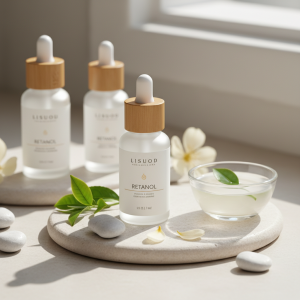
- Fragrance-free soothing moisturizer with ceramides or aloe vera
- Mineral sunscreen SPF 30+
Cool Compress and Cool Water Rinse to Calm the Sting
First, wash your hands well. Soak a soft cloth in cool water, not ice-cold. Wring it out slightly and press it against your skin for 30 seconds. Repeat this a few times. The cool temperature shrinks tiny blood vessels and reduces burning. You can also splash your face with cool water for a quick refresh. Never rub ice directly on your skin. This simple compress is the fastest way to soothe skin after glycolic acid peel.
How to Gently Blot Skin Dry Without Causing Friction Damage
Do not wipe your face with a towel. Friction can tear loose skin that is about to peel. Instead, use a clean, soft microfiber cloth. Pat your skin once and let the moisture absorb. Leave the skin slightly damp. This dampness helps your next moisturizer sink in deeply. Remember, patting is a rule every time you soothe skin after glycolic acid peel during the healing window.
Choosing the Right Post-Peel Soothing Sprays and Thermal Water
A thermal water spray is a hero product. Look for sprays with selenium, zinc, or silica. These minerals can dial down inflammation. Mist your face from a distance. Let it sit for 20 seconds, then gently blot excess. Do not let the water evaporate without blotting — that can make dryness worse. Use the spray anytime your skin feels hot. This is a lightweight tool that helps you soothe skin after glycolic acid peel without adding heavy creams too early.
Day 1-3 Aftercare: Mild Skincare to Soothe Skin After Glycolic Acid Peel
Switching to a Soap-Free, Gentle Cleanser
Put away your foaming gel or acne wash. You need a creamy, non-soap cleanser. Soap strips precious lipids from your healing barrier. Wash once a day, preferably in the evening. Use lukewarm water and your fingertips only. Massage for just 10 seconds and rinse. If your skin feels clean enough with water alone in the morning, skip the cleanser. The goal is to cleanse without disrupting your efforts to soothe skin after glycolic acid peel.
Fragrance-Free and Alcohol-Free Soothing Moisturizers That Lock In Comfort
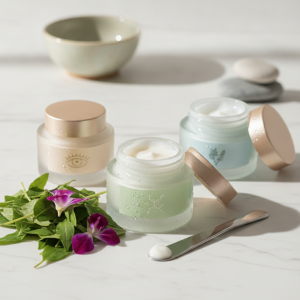
Apply moisturizer while your skin is damp. Look for labels that say fragrance-free, alcohol-free, and non-comedogenic. Thick creams are often better than light lotions during this phase. Apply a generous layer. Do not massage forcefully; smooth it over gently. Reapply during the day if tightness returns. Keeping the skin moist is the backbone of how to soothe skin after glycolic acid peel and speed up visible recovery.
Key Soothing Ingredients: Aloe Vera, Ceramides, Centella Asiatica, and Peptides
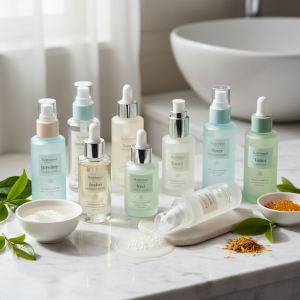
Choose products with specific calming ingredients. Aloe vera cools and provides water-based hydration. Ceramides fill the cracks in your skin barrier like spackle on a wall. Centella asiatica, also called cica, tames redness and promotes healing. Peptides signal your skin to rebuild itself. A cream containing two or three of these will profoundly soothe skin after glycolic acid peel. Avoid single-ingredient aloe gels that contain added alcohol or colorants.
Products and Active Ingredients to Strictly Avoid While Skin Heals
Stop all leave-on acids, retinoids, and vitamin C serums. Avoid scrubs, facial brushes, and exfoliating toners. Stay away from products with synthetic dyes, menthol, and high amounts of essential oils. Even your acne spot treatments should pause. These ingredients would sting, spread redness, and delay your progress. When in doubt, less is more. This pause lets your skin focus entirely on renewal while you soothe skin after glycolic acid peel.
How to Soothe Skin After Glycolic Acid Peel When Flaking and Purging Begins
Why Picking at Peeling Skin Delays Recovery and Risks Scarring
Seeing skin sheet off is tempting to touch. Do not pick. The skin underneath is immature and thin. Pulling it off creates micro-wounds that can lead to infection or dark spots. Let the flakes shed naturally. If a hanging piece bothers you, use clean tweezers to carefully trim the detached edge only. Never peel it backward. Resisting the urge is a mental part of learning how to soothe skin after glycolic acid peel.
Extra Layer of Barrier Cream or Healing Balm to Manage Flaking Discomfort
If flaking makes your skin feel tight and itchy, layer a healing balm. Look for ointments with petrolatum, shea butter, or dimethicone. These form a protective seal that keeps moisture in. Apply a thin film over your moisturizer at night. The balm prevents friction against your pillowcase. This slumber-time method is a reliable way to soothe skin after glycolic acid peel while you sleep.
Managing a Temporary Acne Flare or Dry Patches the Right Way
Sometimes a peel can push congestion to the surface. This is called purging. Usually, the spots are small and heal fast. Do not drown them in drying treatments. Instead, place a tiny dab of barrier cream on dry patches and leave pimples alone. If a spot is very inflamed, a micro-dot of antibiotic ointment may help. Keep your routine consistent. Even with acne flares, your main mission remains to soothe skin after glycolic acid peel.
Hydration vs. Prolonged Peeling: Finding the Moisture Balance
Too little moisture and peeling drags on. Too heavy a layer all day can clog pores. Aim for skin that feels comfortable and looks dewy, not greasy. If you peel for more than seven days, increase your moisturizer frequency. Use a hydrating serum under your cream. Hydrated skin heals and sheds the damaged cells faster. Adjusting hydration is an art that helps you soothe skin after glycolic acid peel efficiently, without causing new issues.
Sun Protection and Lifestyle Adjustments That Soothe Skin After Glycolic Acid Peel
Broad-Spectrum Mineral Sunscreens SPF 30+ (and How to Reapply Gently)
Mineral sunscreens with zinc oxide or titanium dioxide are less likely to sting. Choose SPF 30 or higher. Apply it every morning, even indoors near windows. Reapply every two hours if you go outside. To reapply without friction, pat the sunscreen over your skin rather than rubbing. A cushion puff or clean fingertips work well. Sun protection is a non-negotiable step that will soothe skin after glycolic acid peel by preventing UV-triggered inflammation.
Avoiding Sun Exposure, Heat, Hot Showers, Saunas, and Sweaty Workouts
Heat dilates blood vessels and can intensify redness. Skip hot yoga, saunas, and steamy showers for four days. Wash your body with lukewarm water and keep your face away from the stream. Sweat is salty and can sting sensitive post-peel skin. Light walks indoors are fine. High-intensity workouts that drench your face must wait. When you adjust your environment this way, you give your skin a calm space to soothe skin after glycolic acid peel without added stress.
Using Hats, Sunglasses, and Protective Clothing as Extra Shielding
Accessories become your best allies. A wide-brimmed hat blocks sun from all angles. Large sunglasses protect the delicate eye area where peeling can be worse. Lightweight scarves or collars shield your neck and chest. These physical barriers work even when sunscreen needs reapplication. Combine them with mineral SPF. This layered defense is a smart, gentle strategy to soothe skin after glycolic acid peel when outdoors briefly.
How to Soothe Skin After Glycolic Acid Peel for Different Skin Types and Tones
Sensitive and Reactive Skin: Extended Cool-Down and Patch-Testing Protocol
If your skin flushes easily, keep cool compresses handy for an extra day. Choose a balm with minimal ingredients. Before using any new product, test a small amount behind your ear. Wait 24 hours. If no reaction occurs, apply to your jawline. People with sensitive skin often need longer breaks between peels. The idea is to soothe skin after glycolic acid peel with a slower, more cautious approach.
Acne-Prone Skin: Preventing Post-Peel Purging from Becoming Inflamed
Acne-prone skin may purge more noticeably. Cleanse with a non-medicated, gentle wash. Avoid all pore strips and clay masks. Do not touch your face. Keep your pillowcases changed nightly. If a pimple opens, apply a small hydrocolloid patch to absorb fluid. The patch also stops your fingers from picking. This contains the purge without interrupting the overall plan to soothe skin after glycolic acid peel.
Darker Skin Tones: Extra Care to Prevent Post-Inflammatory Hyperpigmentation
Melanin-rich skin is more prone to dark spots after injury. Sun protection is even more crucial. Use a tinted mineral sunscreen for extra visible-light defense. If a pimple or raw patch appears, treat it with gentle care to avoid marks. Any inflammation can leave a stubborn shadow. Diligent attention to the steps that soothe skin after glycolic acid peel will lower the risk of uneven pigmentation.
Mature and Dry Skin: Replenishing Lost Lipids Without Clogging Pores
Older skin produces fewer oils. A peel can strip needed lipids. Use a rich moisturizer packed with ceramides, squalane, and fatty acids. Apply it while skin is damp. You might add a facial oil over your cream at night. Pick non-comedogenic oils like rosehip or jojoba. These oils mimic natural skin sebum and lock in comfort. With extra lipid support, you can effectively soothe skin after glycolic acid peel and restore bounce and softness.
Professional vs. At-Home Glycolic Acid Peel: Does Aftercare Change?
How to Soothe Skin After a Professional In-Office Glycolic Acid Peel
Professional peels often use higher acid concentrations. Your provider will neutralize the peel and apply a post-procedure mask or cream. Follow their instructions exactly. You may be told to use a specific post-peel kit. Rinse with cool water only within the first 12 hours if permitted. Do not apply your own products unless approved. The core logic to soothe skin after glycolic acid peel remains the same, but a professional peel can keep you at home hiding for a day or two.
Managing At-Home Glycolic Acid Peel Aftermath Safely
At-home peels are milder. Always start with a patch test on your wrist or behind your ear. Read the strength percentage — 10% glycolic acid is gentle enough for beginners. Never leave it on longer than directed. If stinging becomes painful, rinse immediately. Aftercare mirrors the steps above. Pay extra attention to not overlaying other actives for five to seven days. At-home success relies on your discipline to soothe skin after glycolic acid peel and resist the temptation to overdo it.
When to Contact a Practitioner: Red Flags Like Infection or Prolonged Pain
Call a doctor or your esthetician if you see these signs: increasing pain after 24 hours, yellow crusts, oozing, or spreading redness. A fever with skin symptoms needs urgent attention. Any sign of an allergic reaction such as extreme swelling also warrants a call. Do not self-treat infection with random creams. Knowing when to seek help is a critical part of responsible aftercare. Your goal is to soothe skin after glycolic acid peel safely, not to mask a serious problem.
Long-Term Recovery and Reintroducing Actives After You Soothe Skin Following a Glycolic Acid Peel
How and When to Restart Vitamin C, Retinoids, and Exfoliants Safely
Wait until your skin feels normal and no longer peels. For most, this is five to seven days. Start with vitamin C in the morning. Use it every other day. After another week, reintroduce retinoids slowly at night. Avoid acidic exfoliants for at least two weeks. If any stinging returns, pause and simplify again. Rebuilding your routine gradually ensures you do not undo the work done to soothe skin after glycolic acid peel. Listen to your skin more than the calendar.
Building a Maintenance Routine That Keeps Post-Peel Smoothness Without Overdoing It
Once healed, maintain results with one exfoliating treatment per week. Alternate a glycolic acid peel week with a hydrating mask week. Keep using ceramide creams daily. Make SPF an unshakable habit. This balance keeps pores clear and texture smooth without triggering chronic irritation. When you master how to soothe skin after glycolic acid peel, you create a rhythm that lets you enjoy acid benefits and calm protection in equal measure.
FAQ: Common Questions About How to Soothe Skin After Glycolic Acid Peel
Can I Use Moisturizer Immediately After a Glycolic Acid Peel?
Yes, if it is a neutral, fragrance-free formula. Wait until the post-peel rinse is done and skin is blot-dried. A soothing moisturizer immediately helps trap water and reduce tightness. Many people feel instant relief. This is a cornerstone step to soothe skin after glycolic acid peel without waiting hours.
How Long Will Redness and Peeling Last?
Mild redness fades within a few hours up to one day. Peeling typically starts around day two and finishes by day four or five. If you used a stronger professional peel, peeling may last up to a week. As long as you consistently soothe skin after glycolic acid peel with gentle, moisturizing care, the process should progress comfortably.
Is It Okay to Wear Makeup Over Healing Skin?
It is best to avoid makeup for the first 48 hours. Makeup particles can settle in raw patches and increase infection risk. If you must wear it, choose a mineral powder with clean brushes. Remove it very softly with a cleanser that does not strip. But the honest advice is to let skin breathe. That is the kindest way to soothe skin after glycolic acid peel.
Final Verdict
Soothing skin after a glycolic acid peel requires a barrier-first approach. Skip all actives for 48-72 hours, focus on fragrance-free moisturizers with ceramides and peptides, and use a gentle cleanser. The best post-peel product is the simplest one — less is more during recovery.
Related Articles
- Some By Mi AHA BHA PHA 30 Days Miracle Toner Review
- Physical vs Chemical Exfoliation for Dry Skin: Best of
- 7 Best Moisturizers for Oily Skin That Actually Work
Conclusion: Key Takeaways and Next Steps
You now know exactly how to soothe skin after glycolic acid peel. The roadmap is clear: cool first, moisturize often, protect fiercely, and never pick. Gather your recovery kit today — a soft cloth, gentle cleanser, ceramide cream, and mineral SPF. Listen to your skin type. Adjust your timeline based on sensitivity. With patience, you will move from raw tightness to smooth radiance without drama. Your next step is simple: practice patience, track your skin’s response, and keep this guide handy for every future peel. Your healthy glow is a reward that starts with soothing care.