
Introduction: Understanding Blackheads
Blackheads are a common form of acne that occurs when hair follicles become clogged with excess oil, dead skin cells, and bacteria. Unlike whiteheads, which are closed, blackheads open at the surface, allowing air to oxidize the debris and turn it dark. They most often appear on the nose, chin, and forehead—areas where sebaceous glands are most active. While blackheads are not typically inflamed or painful, they can be persistent and frustrating. This guide provides a step-by-step approach to effectively remove and prevent blackheads, combining at-home care, over-the-counter treatments, and professional options.
Step 1: Establish a Consistent Cleansing Routine
Proper cleansing is the foundation of blackhead prevention. Wash your face twice daily—morning and night—using a gentle, non-comedogenic cleanser that suits your skin type. For oily or acne-prone skin, look for ingredients like salicylic acid or glycolic acid, which help unclog pores. Avoid harsh soaps that strip natural oils, as this can trigger increased sebum production. Use lukewarm water, as hot water can irritate the skin, and cold water won’t effectively dissolve oil. Pat dry with a clean towel instead of rubbing.
Step 2: Exfoliate Regularly but Gently
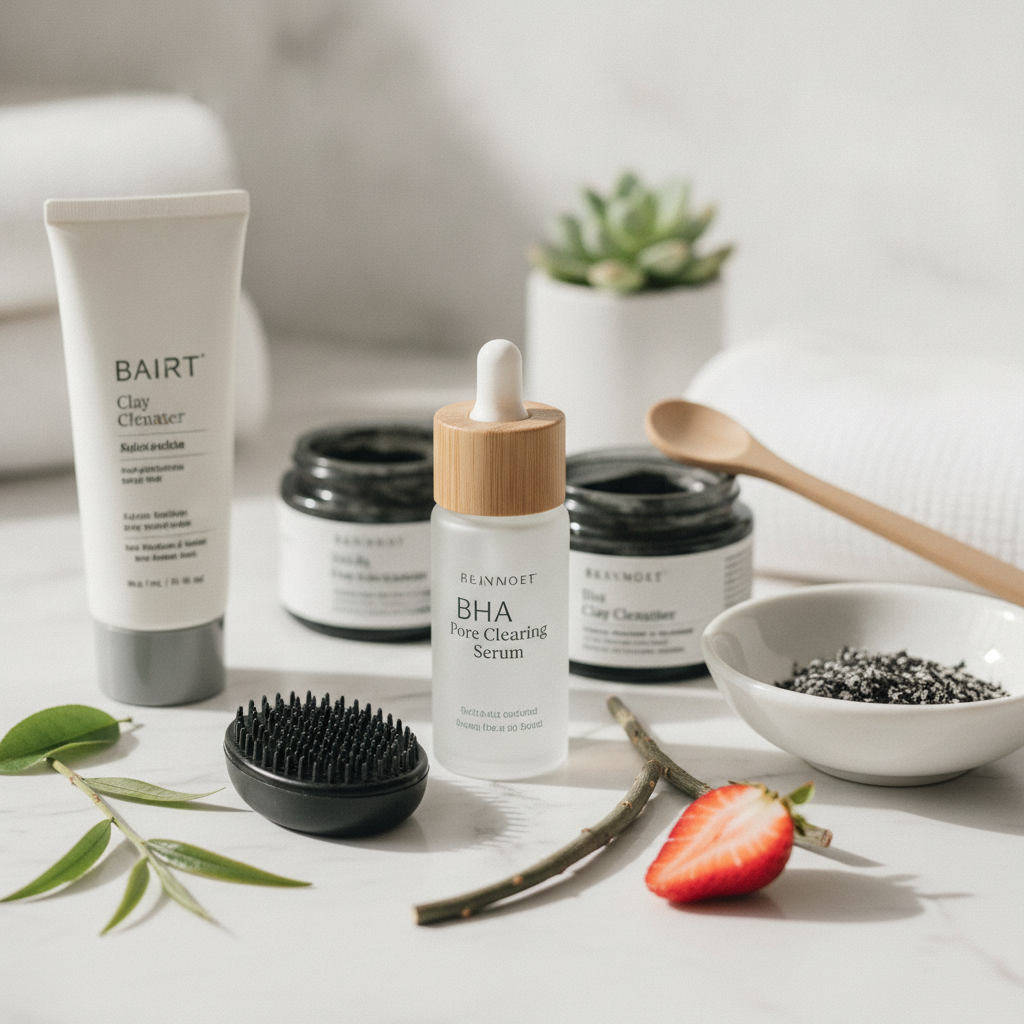
Exfoliation removes dead skin cells that can contribute to clogged pores. Choose chemical exfoliants over physical scrubs, as they are less likely to cause micro-tears and irritation. Beta-hydroxy acids (BHAs) like salicylic acid are particularly effective because they are oil-soluble and can penetrate deep into pores. Alpha-hydroxy acids (AHAs) like glycolic or lactic acid work on the skin’s surface to improve texture. Use a chemical exfoliant 2-3 times per week, adjusting frequency based on your skin’s tolerance. Over-exfoliation can damage the skin barrier, leading to more blackheads.
Step 3: Incorporate Topical Treatments
Several over-the-counter ingredients target blackheads directly. Salicylic acid is a gold standard; it exfoliates inside pores and reduces oil production. Retinoids, such as adapalene, speed up cell turnover, preventing dead skin from accumulating. Start with a low concentration and apply a pea-sized amount at night, gradually increasing frequency to avoid irritation. Other helpful ingredients include benzoyl peroxide (which kills acne-causing bacteria) and niacinamide (which regulates oil and reduces inflammation). Always apply a moisturizer after treatments to maintain hydration and skin barrier health.
Step 4: Use Clay or Charcoal Masks
Clay masks, like those containing kaolin or bentonite, absorb excess oil and draw out impurities from pores. Charcoal masks work similarly by binding to dirt and oil. Apply a thin layer once or twice a week, focusing on blackhead-prone areas. Let it dry according to the product instructions—usually 10-15 minutes—then rinse with warm water. Do not leave the mask on for too long, as it can cause dryness. Follow with a light, oil-free moisturizer. These masks provide temporary improvement but should be part of a comprehensive routine.
Step 5: Consider Professional Extraction and Treatments
If at-home methods aren’t enough, a dermatologist or licensed esthetician can perform professional extractions. They use sterile tools to safely remove blackheads without damaging the skin. This is particularly useful for stubborn or deep blackheads. Other professional treatments include chemical peels, which use higher concentrations of acids to exfoliate deeply; microdermabrasion, which buffs away dead skin cells; and laser or light therapies that reduce oil production and bacteria. These options can yield faster results but require multiple sessions and professional supervision.
Step 6: Adopt Preventive Daily Habits
Prevention is key. First, always remove makeup thoroughly before bed and avoid heavy, oil-based products. Choose non-comedogenic moisturizers, sunscreens, and makeup. Second, keep your hands away from your face to prevent transferring bacteria and dirt. Regularly wash pillowcases, phone screens, and anything else that touches your skin. Third, evaluate your diet: high-glycemic foods and dairy may exacerbate acne in some individuals, so consider reducing sugar and milk intake. Finally, manage stress through exercise, sleep, and relaxation techniques, as stress hormones can increase oil production.
Common Mistakes to Avoid
One frequent mistake is squeezing or picking at blackheads, which can lead to scarring, infection, or enlarged pores. Pore strips may provide instant gratification but can damage the skin if used excessively. Another error is using too many active ingredients at once, causing irritation and peeling. Always introduce new products gradually and listen to your skin. Also, skipping moisturizer out of fear of oiliness can backfire, as dehydrated skin produces more oil. Use a lightweight, oil-free moisturizer daily.
When to See a Dermatologist
If blackheads persist despite consistent care, or if they are accompanied by significant acne, it’s time to consult a professional. A dermatologist can prescribe stronger topical medications like tretinoin or oral options in severe cases. They can also rule out other skin conditions and tailor a treatment plan to your specific needs.
Conclusion
Getting rid of blackheads requires patience, consistency, and a multi-faceted approach. By cleansing properly, exfoliating wisely, using targeted treatments, and adopting healthy habits, you can achieve clearer pores. Remember that results take time—often several weeks—so don’t give up. Combine these steps with professional help when needed, and you’ll be on your way to smoother, blackhead-free skin.