
Understanding Dark Spots and Hyperpigmentation
Dark spots and hyperpigmentation occur when certain areas of the skin produce excess melanin, the pigment responsible for skin color. This can be triggered by sun exposure, hormonal changes, inflammation, or aging. While they are usually harmless, many people seek ways to fade them quickly for an even, radiant complexion. Achieving fast results requires a consistent, multi-pronged approach that combines targeted skincare, professional treatments, and lifestyle adjustments. This guide will walk you through effective steps to accelerate the fading process, helping you reclaim clear, luminous skin.
Step 1: Sun Protection – The Non-Negotiable Foundation
No dark spot treatment works effectively without diligent sun protection. Ultraviolet (UV) rays stimulate melanin production, making existing spots darker and causing new ones to form. To see quick improvement, make sunscreen a daily habit:
- Use a broad-spectrum sunscreen with SPF 30 or higher, even on cloudy days or indoors near windows.
- Apply generously and reapply every two hours when outdoors, or after sweating or swimming.
- Opt for physical (mineral) sunscreens containing zinc oxide or titanium dioxide for immediate protection and less irritation on sensitive skin.
- Pair sunscreen with physical barriers like wide-brimmed hats, sunglasses, and protective clothing.
Without this critical step, all other efforts will be undermined, so commit to it from day one.
Step 2: Exfoliation – Speed Up Cell Turnover
Exfoliation removes the outer layer of dead skin cells, helping to slough off pigmented cells and allow brighter skin to surface. However, be cautious—over-exfoliation can damage the skin barrier and worsen hyperpigmentation. Use one or more of the following methods, but don’t combine them all at once:
- Chemical exfoliants: Alpha-hydroxy acids (AHAs) like glycolic acid and lactic acid dissolve dead skin cells and promote renewal. Beta-hydroxy acid (BHA) like salicylic acid penetrates pores and is excellent for acne-prone skin. Start with a low concentration (e.g., 5-10% glycolic acid) 2-3 times a week and adjust as tolerated.
- Enzyme exfoliants: Papain (from papaya) and bromelain (from pineapple) provide gentler exfoliation, ideal for sensitive skin.
- Mechanical exfoliation: Use a soft washcloth or a mild scrub with fine particles, but only once a week to avoid micro-tears.
Consistent, moderate exfoliation can visibly reduce the intensity of dark spots over weeks.
Step 3: Incorporate Proven Brightening Ingredients
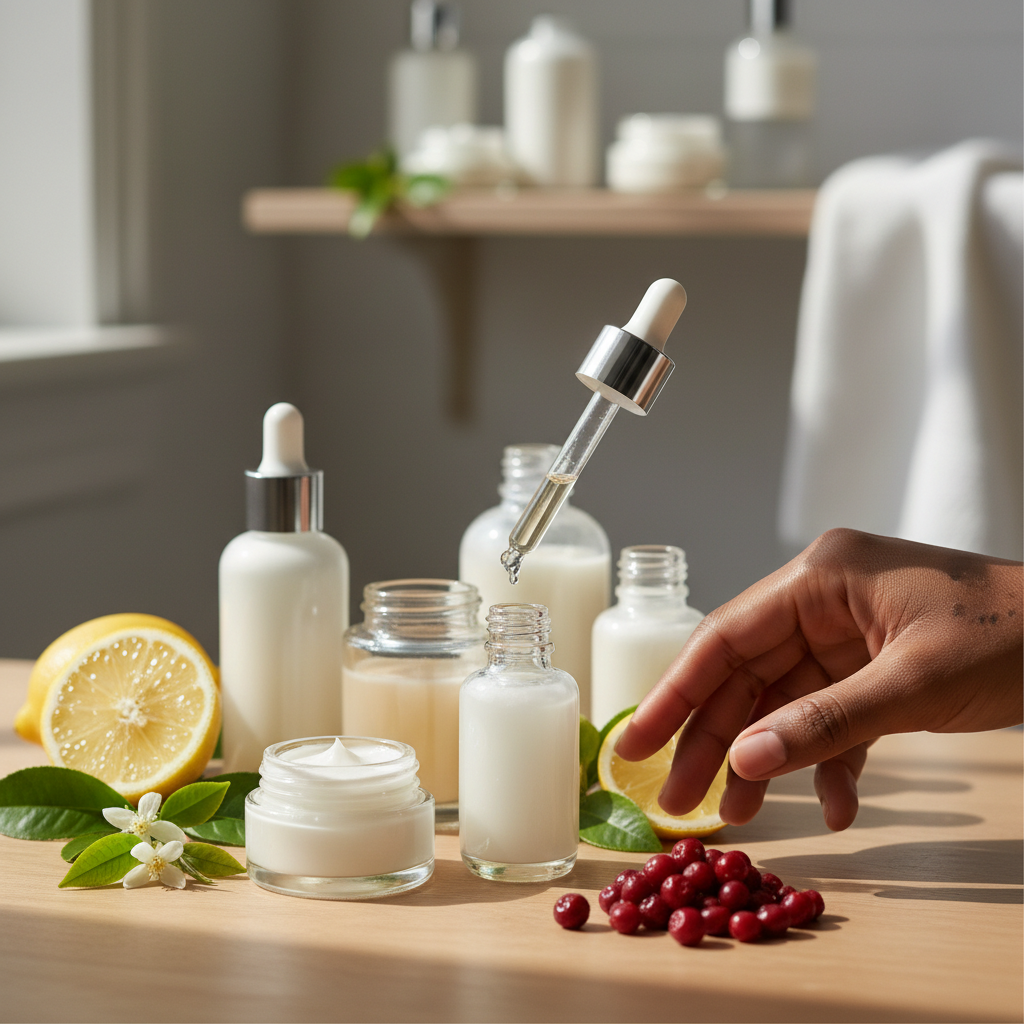
To actively fade spots, your skincare routine needs ingredients that inhibit melanin production, reduce existing pigment, and calm inflammation. Apply these after cleansing and before moisturizer, typically in serum form:
- Vitamin C (L-Ascorbic Acid): A potent antioxidant that brightens skin and blocks tyrosinase, an enzyme crucial for melanin synthesis. Use a 10-20% serum in the morning for a protective boost.
- Niacinamide (Vitamin B3): Reduces melanosome transfer from melanocytes to skin cells, lightening spots over time. It also strengthens the skin barrier. Concentrations of 5-10% are effective and well-tolerated.
- Kojic Acid: Derived from fungi, it inhibits tyrosinase. Use alone or combined with other brighteners, but monitor for irritation.
- Alpha Arbutin: A stable form of hydroquinone sourced from bearberry, it lightens spots by inhibiting melanin production with less irritation risk. Effective at 2% concentrations.
- Licorice Root Extract: Contains glabridin, which reduces melanin production and inflammation. Gentle enough for sensitive skin.
- Retinoids (Retinol, Tretinoin): Speed up cell turnover and disperse melanin granules. Start with a low-strength retinol (0.25-0.5%) a few nights a week, gradually increasing frequency. Prescription tretinoin yields faster results but requires a dermatologist’s guidance.
Layering multiple brighteners can enhance efficacy, but introduce them one at a time to assess tolerance. Use retinoids at night and always follow with moisturizer.
Step 4: Professional Treatments for Accelerated Results
If you’re looking for dramatic, fast improvement, professional procedures can complement your home care. Consult a board-certified dermatologist to determine the best option for your skin type and spot type:
- Chemical Peels: A high-concentration acid solution is applied to exfoliate deeply. Superficial peels (e.g., 30-70% glycolic acid) show visible lightening after a series of 4-6 sessions spaced 2-4 weeks apart. Medium-depth peels (TCA) treat stubborn pigmentation but involve more downtime.
- Laser and Light Therapies: Intense pulsed light (IPL) targets melanin and breaks up pigmentation. Q-switched lasers are precise for individual spots. Multiple sessions (3-6) yield optimal results, with minimal recovery.
- Microneedling: Tiny needles create micro-injuries, boosting collagen and allowing better absorption of brightening serums. When combined with topical agents like vitamin C or tranexamic acid, it can accelerate spot fading.
- Cryotherapy: Liquid nitrogen freezes and destroys excess melanin in isolated spots (e.g., age spots). Quick, but may cause temporary redness.
Professional treatments speed results but require proper aftercare, especially sun avoidance, to prevent recurrence.
Step 5: Targeted Diet and Supplements
What you put inside your body influences your skin. Certain foods and supplements can support melanin regulation and antioxidant defense:
- Antioxidant-Rich Foods: Berries, citrus fruits, leafy greens, and nuts deliver vitamin C and E, which fight oxidative stress and support skin repair.
- Omega-3 Fatty Acids: Found in salmon, walnuts, and flaxseeds, they reduce inflammation that can trigger hyperpigmentation.
- Polyphenols: Green tea, pomegranate, and dark chocolate contain compounds that may inhibit tyrosinase.
- Supplements: Consider adding vitamin C (500-1000 mg daily), vitamin D, and zinc (under medical supervision) to address deficiencies that impair healing. Some studies suggest that Pycnogenol (pine bark extract) and oral tranexamic acid can help with melasma, but only under a dermatologist’s care.
Avoid high-glycemic foods and excessive sugar, which can promote inflammation and glycation, potentially worsening skin tone.
Step 6: Lifestyle Habits for Faster Fading
Daily habits profoundly impact your skin’s ability to renew itself. Integrate these practices:
- Prioritize Sleep: Aim for 7-9 hours of quality sleep. During deep sleep, growth hormone peaks and cellular repair accelerates.
- Manage Stress: Chronic cortisol elevation can stimulate melanin production and inflammation. Practice meditation, yoga, or deep breathing.
- Hydrate: Drink adequate water to keep skin cells plump and functioning optimally. Herbal teas can also boost antioxidant intake.
- Avoid Picking and Scratching: Post-inflammatory hyperpigmentation (PIH) often results from picking at acne or scabs. Leave blemishes alone and treat them with spot patches.
- Quit Smoking: Smoking depletes oxygen and nutrients, slows healing, and contributes to uneven skin tone.
Step 7: Consistency and Patience – Tracking Progress
Fast fading still requires time; most people see noticeable improvements in 4-12 weeks. To stay motivated and avoid costly mistakes:
- Take weekly photos in the same lighting to monitor changes.
- Keep a diary of products and treatments to identify what works.
- Introduce only one new product every 2-3 weeks to gauge effects and minimize reactions.
- If irritation occurs (redness, stinging, flaking), scale back to a gentle cleanser, moisturizer, and sunscreen, then slowly reintroduce actives.
Remember, hyperpigmentation resides at different skin depths; superficial spots fade faster than deeper ones. For deep, stubborn melasma or post-acne marks, a combination approach with professional guidance delivers the swiftest transformation.
Final Thoughts
Fading dark spots and hyperpigmentation fast is a realistic goal when you layer consistent sun protection, strategic exfoliation, potent brighteners, and possibly in-office procedures, all supported by a healthy lifestyle. Start with the foundational steps, be methodical, and give your skin the time it needs to regenerate. With dedication, you’ll see a more even, radiant complexion sooner than you think.