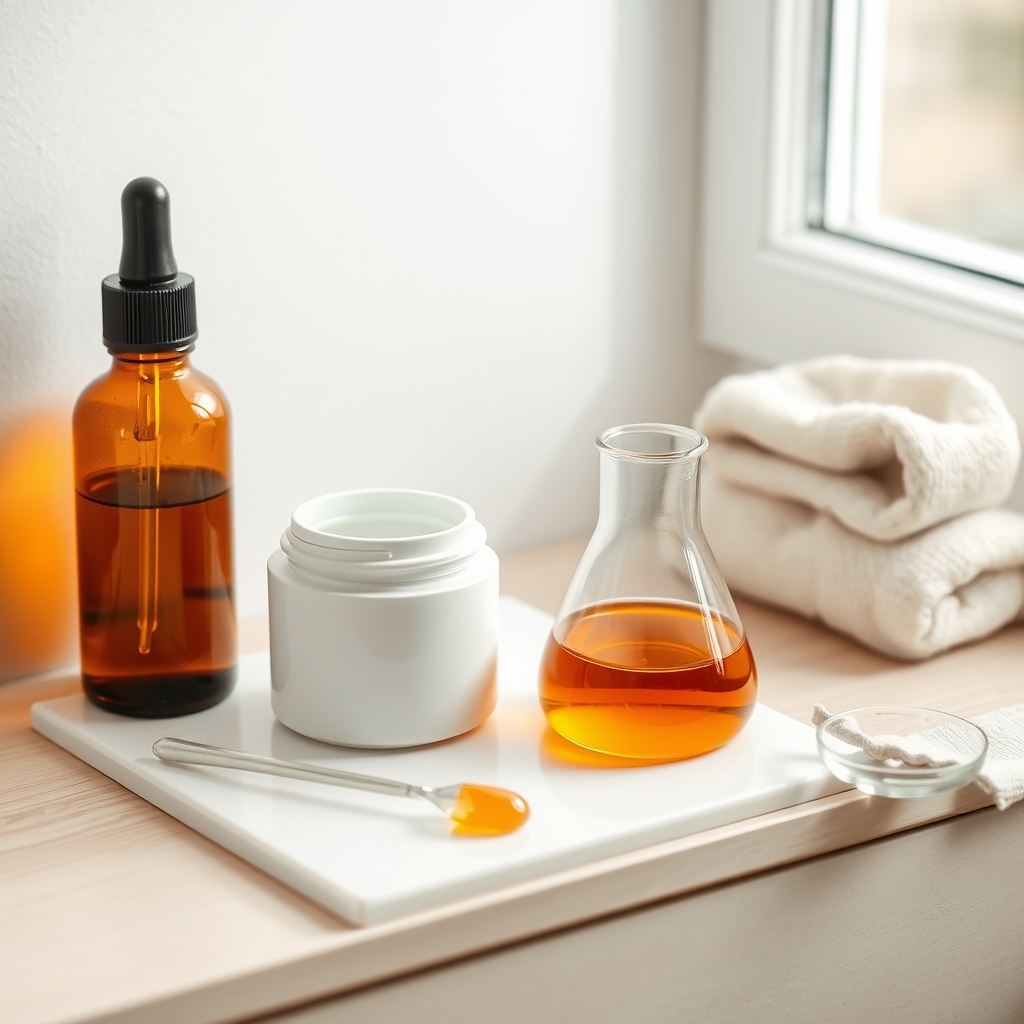
A serum can hold a strong antioxidant and still do little for your face. The missing piece is delivery. Idebenone has to cross the outer skin layer in useful amounts before it can help. This guide explains Idebenone antioxidant penetration rates in plain language. You will learn what the numbers mean, how to read a label, how to apply the serum, and how to track your own results over eight weeks. No lab coat needed.
What Idebenone Antioxidant Penetration Rates Actually Mean in Mature Facial Care
Penetration rate is how fast and how much a molecule moves into skin. It is not the same as the percentage printed on the box. A 1% serum that sits on the surface can underperform a 0.5% serum built with a better vehicle. Mature skin adds a twist. The outer barrier gets thinner, drier, and less lipid-rich, so delivery changes with age. Idebenone antioxidant penetration rates in mature facial care therefore depend on three things: molecule size, oil solubility, and formula design.
Idebenone vs CoQ10 Molecular Size — Why a ~338 Da Molecule Travels Further
Idebenone weighs about 338 daltons (Da). CoQ10 weighs about 863 Da. Skin researchers often treat roughly 500 Da as a soft ceiling for easy passage through the stratum corneum. Idebenone sits under that line. CoQ10 sits well above it. Smaller molecules diffuse faster through tight lipid channels, so idebenone usually shows better penetration than CoQ10 in lab models. Size is not everything, but it is a strong start.
Lipophilicity, LogP, and Where Idebenone Really Accumulates in Mature Skin
Idebenone is oil-friendly. Its logP is often reported near 3 to 4. That means it dissolves well in the lipid layers of the outer skin. Good news: it partitions into the barrier quickly. The catch: it may linger there instead of moving deeper. Most of what you apply stays in the upper layers. That is still useful, because that is where oxidative stress starts. Think of the stratum corneum as a sponge, not a pipe.
How Age-Related Barrier Changes Shift Idebenone Penetration Rates
Mature skin loses ceramides, cholesterol, and fatty acids. Water loss rises. Surface pH drifts upward. Thinning skin can let irritants in faster, yet dry, flaky patches block even spreading. The net effect is uneven delivery. Some zones absorb quickly and sting. Others barely absorb at all. This is why a mature routine needs hydration first and gentle exfoliation only when needed.
How Idebenone Penetration Rates Are Measured — Franz Cells, Tape Stripping, Confocal Raman
Three methods show up again and again. Franz diffusion cells place skin between two chambers and measure how much drug crosses over time. Tape stripping lifts thin layers of surface skin, then lab tests measure how much idebenone sits in each layer. Confocal Raman spectroscopy reads the skin in real time, without cutting it. Each method answers a slightly different question, so a good study uses more than one.
How We Assessed Idebenone Antioxidant Penetration Rates (2026 Methodology)
We reviewed published lab and human data, label details, and packaging design. We did not run new lab tests. Our scoring favors evidence over marketing. Brands that publish methods score better than brands that publish adjectives.
What Counts as Credible Penetration Evidence
Credible evidence names the skin model, the dose, the vehicle, and the time points. Human skin beats animal skin. Replicated results beat a single run. A brand that states “tested on 20 volunteers over 8 weeks” is stronger than a claim with no method at all. Vague phrases like “deep delivery” count for nothing.
Concentration, Vehicle, and Packaging Scoring Criteria
| Factor | What we looked for | Weight |
|---|---|---|
| Concentration | Stated 0.5% to 1% idebenone, clearly listed | Medium |
| Vehicle | Light emulsion or serum that matches skin lipids | High |
| Delivery tech | Encapsulation, niosomes, or lipid carriers with a stated reason | Medium |
| Packaging | Airless pump, opaque tube, small opening | High |
| Evidence | Named test method and sample size | High |
| Full ingredient list | No hidden fragrance load on reactive skin | Medium |
Limits of the Published Data on Idebenone Penetration Rates
Human data are thin. Many studies use pig skin or lab-grown tissue. Dose and vehicle differ between studies, so numbers rarely compare cleanly. Idebenone also breaks down in light and air, which can skew results. Treat any exact percentage with calm scepticism. Use the data as a ranking tool, not a promise.
How to Read Idebenone Antioxidant Labels Before You Buy
A label tells you more than the front of the box. Read the ingredient list, the packaging, and the order of ingredients. Then decide.
Decoding 0.5% vs 1% Idebenone Concentrations
Most facial products use 0.5% to 1% idebenone. The 0.5% range is the classic cosmetic level and suits most mature skin. The 1% range adds more antioxidant load but also more colour and more cost. Higher is not automatically better. Above about 1%, the formula can turn orange, feel tacky, and offer little extra benefit. Start at 0.5% if your skin is reactive.
Why the Vehicle Decides Penetration More Than the Percentage
The vehicle is the base: water, oils, emulsifiers, and solvents. It controls how idebenone spreads, how fast it dries, and how well it releases into skin. A well-built emulsion can lift Idebenone antioxidant penetration rates more than doubling the percentage. Look for short ingredient lists with a lipid blend and no heavy silicone film that traps the serum on top.
Encapsulation, Niosomes, and Lipid Carriers — What They Change
These systems wrap idebenone in tiny bubbles. That protects it from light and oxygen. It also slows release, which can reduce stinging and stretch the effect over hours. Lab work on idebenone liposomes shows better skin retention than plain solutions. Encapsulation is not magic, but it is a real delivery upgrade.
Packaging Red Flags That Kill Idebenone Potency Before It Penetrates
Idebenone reacts with oxygen and light. A clear jar is the worst choice. Every open-and-dip moment feeds it air. Avoid wide-mouth pots, clear glass droppers, and pumps that sputter. Choose an opaque airless pump or a sealed tube. If the product looks deep orange or brown at first use, it has likely oxidized already.
How to Choose an Idebenone Formula for Mature Facial Care
Match the formula to your skin type first. Then match it to your other actives.
Matching Texture and Vehicle to Dry, Thinning, or Reactive Mature Skin
Dry skin likes a cream-serum with ceramides or squalane. Thinning skin does better with lightweight lotions that absorb fast and do not tug. Reactive skin needs short lists, no fragrance, and no drying alcohol near the top. If your skin stings within a minute, the vehicle is wrong, not the idebenone.
Idebenone Paired With Vitamin E, Ferulic Acid, or Niacinamide
These pairs work well. Vitamin E and ferulic acid support the antioxidant network and improve stability. Niacinamide adds barrier support and calms redness. Together they can improve tolerance, which helps you apply consistently. Consistency matters more than any single boost to Idebenone antioxidant penetration rates.
Idebenone Plus Retinoid or Peptide Formulas for Mature Skin
Idebenone and retinoids can share a routine, but not always the same minute. Alternate nights at first. Peptides are gentler and layer easily. Use idebenone in the morning under sunscreen, and the retinoid at night. This split lowers irritation risk and keeps each active working.
Budget vs Clinical-Tier Idebenone Antioxidant Options
Budget options often use 0.5% idebenone in a simple emulsion with a basic tube. Clinical-tier options add encapsulation, tested vehicles, and airless packaging. The gap is real but not huge. A mid-price serum with good packaging often beats a costly one in a jar. Spend on the container, not the story.
How to Apply Idebenone for Maximum Penetration Rates: 6 Steps
Prep first. You need a gentle cleanser, a hydrating toner or mist, the idebenone serum, a moisturizer, a sunscreen for daytime, and a timer. Have a small notebook or phone note ready for tracking. Wash your hands. Keep the serum capped between uses and out of direct sun.
- Gentle pH-balanced cleanser
- Hydrating toner or essence
- Idebenone serum, 0.5% to 1%
- Barrier moisturizer
- Broad-spectrum SPF 30 or higher
- Timer and tracking log
Step 1 — Reset Surface pH With a Barrier-Friendly Cleanse
Wash with lukewarm water and a mild cleanser for about 30 seconds. Skip foaming scrubs. Pat dry and wait one minute. Skin should feel soft, not tight. A tight surface signals damage, and damaged skin absorbs unevenly.
Step 2 — Prep Skin Hydration to Favor Idebenone Partitioning
Mist or press in a hydrating layer while skin is still slightly damp. Wait 60 seconds. Slightly hydrated skin helps the oil-loving idebenone spread and settle in. Do not soak your face. Too much water can dilute the serum and slow absorption.
Step 3 — Dose the Right Amount of Idebenone Serum Per Application
Use about a pea-sized amount, or four to five drops, for the whole face and neck. Dot it on forehead, cheeks, nose, and chin. Press and pat. Do not rub hard. More product does not raise Idebenone antioxidant penetration rates. Extra serum just sits, oxidizes, and pills.
Step 4 — Sequence Idebenone Around Water-Based and Acid Layers
Order from thinnest to thickest. Water-based hydrators go first. Idebenone comes next. Acids and vitamin C go earlier only if your skin tolerates them. Never stack a strong acid directly before idebenone on reactive skin. Give each layer 30 to 60 seconds.
Step 5 — Wait, Then Seal to Limit Idebenone Evaporation Loss
Wait two minutes, then apply moisturizer. The cream layer limits water loss and reduces surface oxidation. It also pushes the serum film closer to the skin. Do not fan your face or use a hot dryer nearby. Airflow speeds up loss and oxidation.
Step 6 — Protect and Store Idebenone So Penetration Stays Consistent
Use sunscreen every morning, reapplied every two hours outdoors. Store the serum below 25°C, away from bathroom steam and windowsills. Cap it at once. If you decant, use a small opaque bottle and refill monthly.
How to Increase Idebenone Antioxidant Penetration Rates at Home and In-Clinic
Small changes beat big risks. Boost delivery slowly and watch your skin.
At-Home Boosters — Pre-Hydration, Encapsulated Formats, Gentle Exfoliation
Hydrate before you apply. Choose an encapsulated formula. Use a mild exfoliant once a week, not daily. A soft washcloth or 5% lactic acid can clear flakes that block spread. Stop exfoliating if skin stings. Give the barrier two days to recover.
In-Clinic Boosters — Microneedling, Sonophoresis, and Post-Resurfacing Timing
Microneedling creates tiny channels that raise delivery. Sonophoresis uses low-frequency ultrasound to push product in. Both add irritation risk. Wait 24 to 48 hours after needling or resurfacing before applying idebenone. Ask your clinician which serum is safe for post-procedure use.
What to Avoid Mixing With Idebenone for Better Penetration Rates
- Strong acids at the same moment as idebenone
- Benzoyl peroxide and other strong oxidizers
- High-alcohol toners that strip lipids
- Physical scrubs with rough grains
- Clay masks applied right after the serum
How to Build an 8-Week Idebenone Antioxidant Routine for Mature Facial Care
Slow steps build tolerance. Fast steps build redness. Follow this ramp.
Weeks 1–2 — Barrier-First Introduction and Tolerance Baseline
Apply idebenone three mornings a week. Keep the rest of the routine boring: cleanser, moisturizer, sunscreen. Note any sting, redness, or flaking. Do not add new products. Two steady weeks give you a fair baseline.
Weeks 3–4 — Frequency Ramp-Up Without Compromising Penetration
Move to five mornings a week if skin is calm. Keep the same dose and the same wait time. Do not add a second layer to catch up. If irritation appears, drop back one step for four days. Steady beats intense.
Weeks 5–8 — Stacking Idebenone With Retinoids, Peptides, and SPF
Apply idebenone in the morning. Use peptides in the same routine if you like. Use your retinoid two or three nights a week. Keep SPF daily. Track how your skin feels on retinoid nights versus off nights. Adjust the retinoid first, not the idebenone.
Weekly Tracking Log for Penetration and Tolerance Signals
| Signal | Good sign | Adjust if |
|---|---|---|
| Sting on apply | None after 30 seconds | Lasts over 2 minutes |
| Surface finish | Soft, no film | Pilling or tacky film |
| Colour on skin | Faint tint that fades | Strong orange cast |
| Redness next day | None | Visible flushing |
| Texture | Smoother over weeks | New flaking |
How to Troubleshoot Idebenone Penetration Problems on Mature Skin
Most problems are surface problems. Fix the surface and delivery improves.
Orange Tint, Oxidation, and Pilling on the Skin Surface
Idebenone turns orange as it oxidizes. A faint tint is normal on the skin. Pilling means too much product or too many layers. Cut the dose, wait longer between layers, and skip silicone-heavy primers underneath. If the bottle itself looks dark orange, replace it.
Stinging and Irritation on Thinned, Reactive Mature Skin
Stinging often comes from the vehicle, not the antioxidant. Check for fragrance, alcohol, or acids in the base. Try a 0.5% encapsulated version. Apply over moisturizer instead of under it. Stop for four days if burning lasts.
Why Results Plateau After 12 Weeks and How to Adjust
Twelve weeks is a common plateau point. Your skin adapts, and your routine may have drifted. Reset the basics: consistent dose, sealed layers, daily sunscreen. Rotate in a second antioxidant at a different time of day. Do not chase results by adding three new products at once.
Storage and Travel Fixes for Photolabile Idebenone Formulas
Idebenone is light-sensitive. Keep it in its original opaque packaging. In summer, store it in a cool drawer, not the car. For travel, use a small airless bottle and avoid leaving it in a hot bag. A cooler pack helps on long trips.
FAQ: Idebenone Antioxidant Penetration Rates in Mature Facial Care
What Idebenone Percentage Works Best for Mature Skin?
Start at 0.5%. Move to 1% only if skin stays calm for four weeks and you want more antioxidant load. Many people never need more than 0.5%. Above 1%, gains are unclear and stability drops.
Do Idebenone Penetration Rates Beat CoQ10, Vitamin C, or Retinol?
For size, idebenone beats CoQ10 clearly. Against vitamin C, idebenone is gentler and more stable, though vitamin C has stronger brightening data. Retinol works through a different pathway, so comparison is unfair. Think in terms of role, not a race.
Morning or Night — When Does Idebenone Penetrate Best?
Morning works well. Penetration itself is similar day or night, but daytime use adds antioxidant defence against UV and pollution. Always follow with sunscreen. Night use is fine for very reactive skin.
Can You Use Idebenone With Vitamin C, Retinol, and Acids?
Yes, with spacing. Use vitamin C in the morning before idebenone if tolerated. Use retinol at night. Keep strong acids on separate days at first. Watch for sting and adjust one product at a time.
How Long Before Better Penetration Shows Visibly in Mature Skin?
Expect four weeks for texture and tone, and eight to twelve weeks for firmer-looking skin. Penetration improves from day one, but visible change lags. Photograph your face in the same light each week so you can see small shifts.
Conclusion: Your Idebenone Antioxidant Penetration Checklist for Mature Facial Care
Idebenone is small, oil-friendly, and well suited to mature skin. Size helps it, but the formula decides the outcome. Use this checklist: pick 0.5% to 1% in an opaque airless pump; hydrate before you apply; dose a pea-sized amount; layer thinnest to thickest; wait two minutes and seal; store cool and dark; wear sunscreen daily; ramp from three days to five over four weeks; track tolerance weekly. Improving Idebenone antioxidant penetration rates in mature facial care is mostly about steady habits, not stronger products. Next step: check the packaging of your current serum and compare it with the checklist above.
This guide is for education only and is not medical advice. Ask a dermatologist before starting new actives, especially after procedures or if you use prescription retinoids.